DNA REPLICATION & REPAIR GROUP
Research

DNA Replication & Repair Group

Research

Research

Research programmes

Our work is organised into four interconnected programmes addressing replication stress, DNA repair, checkpoint biology and chemical biology to produce translational outcomes.
01

Replication stress and fork stability

How do cells protect and restart stalled replication forks, and which vulnerabilities in tumour cells can be exploited therapeutically?

Replication forks encounter DNA lesions, difficult-to-replicate sequences and oncogene-driven hyper-replication. The group investigates the pathways that preserve fork integrity and prevent collapse into double-strand breaks.

By identifying dependencies that are especially important in tumour cells, this programme aims to reveal biomarkers and selective therapeutic targets.
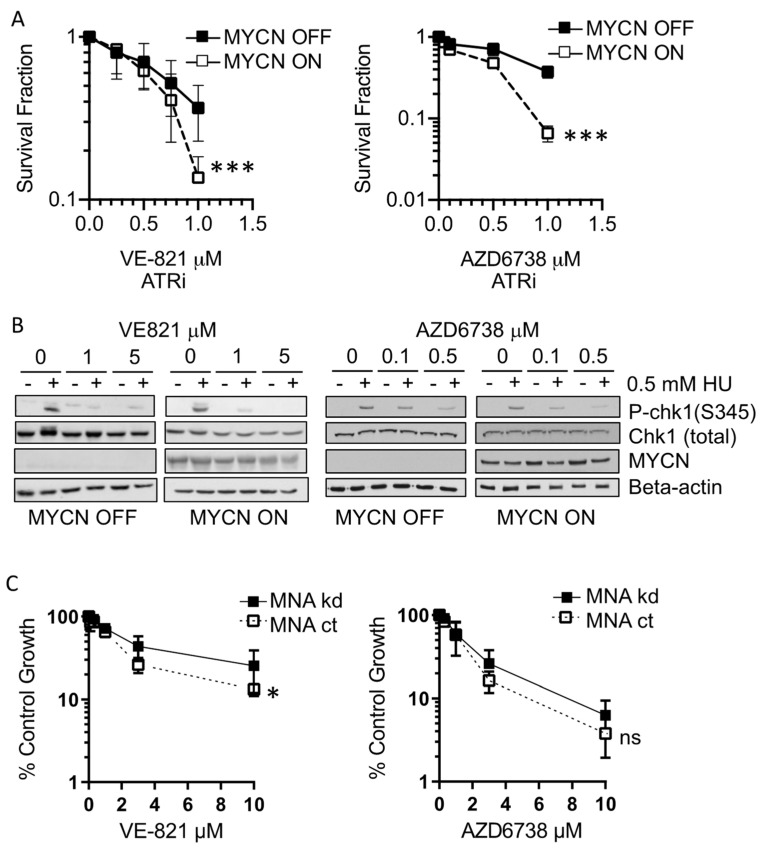
Replication-stress features associated with ATR-inhibitor sensitivity in neuroblastoma models.
02

PARP and PARG biology in synthetic lethality

How can defects in homologous recombination and related DNA-damage responses be exploited with PARP- and PARG-directed therapies?

A foundational component of the group’s work is the mechanistic study of PARP biology and the exploitation of homologous-recombination defects for targeted cancer therapy.

The programme extends this logic to PARG inhibition, combination treatments and functional biomarkers that predict response or resistance.

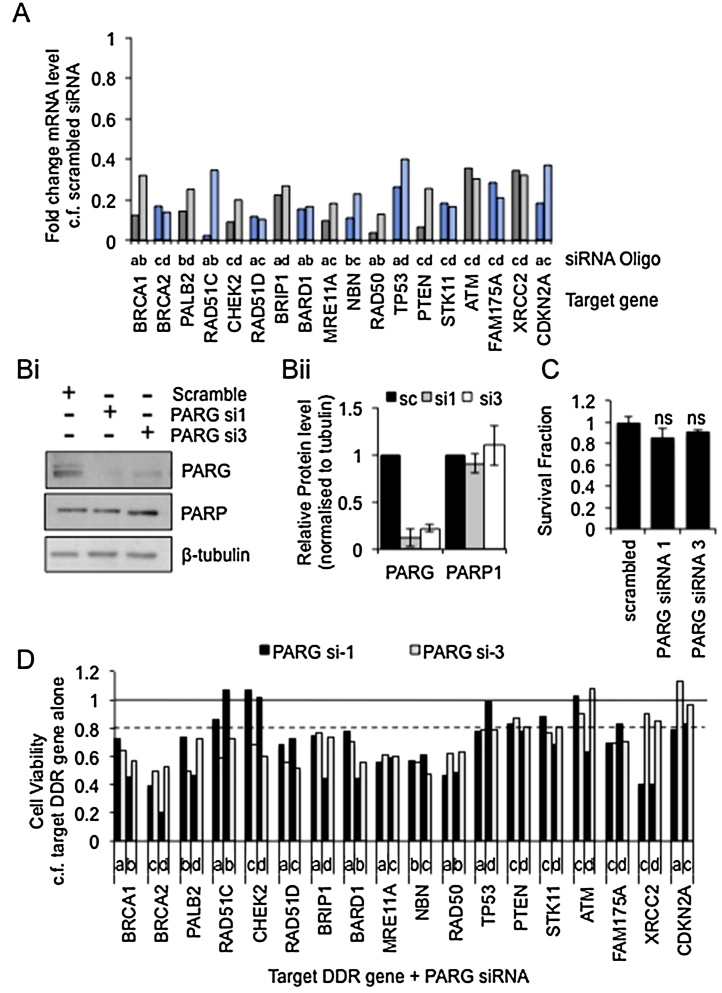
Selective sensitivity of DNA-damage-response-deficient cells to PARG inhibition.
03

Checkpoint modulation and radiosensitisation

Can checkpoint and DNA-damage-response inhibitors improve tumour control with radiotherapy and radiopharmaceutical treatments?

This programme investigates checkpoint inhibition as a way to force tumour cells carrying unresolved DNA damage into lethal replication or mitotic catastrophe.

Mechanistic studies are linked to preclinical combination testing and pharmacodynamic biomarkers with translational potential.

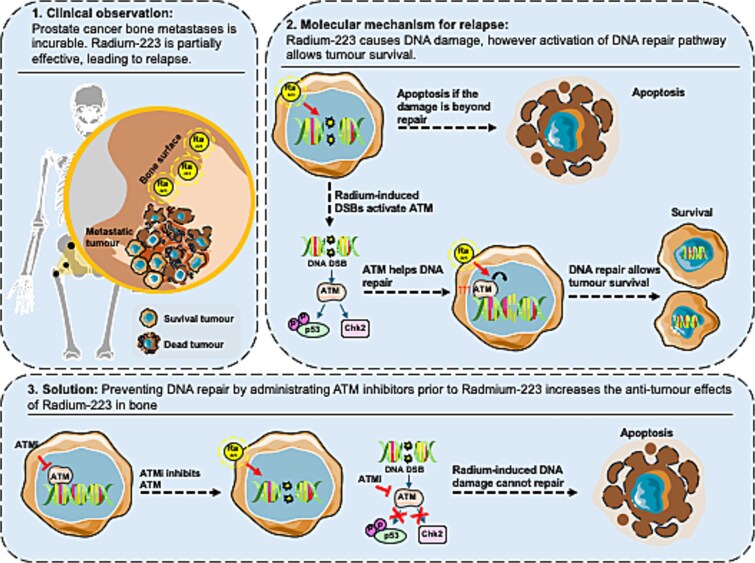
Preclinical evaluation of ATM inhibition with radium-223 in prostate-cancer bone-metastasis models.
04

Photoactivated therapeutics and chemical biology

Can visible-light-activated metal complexes deliver spatially controlled cancer-cell killing with limited dark toxicity?

In collaboration with synthetic chemists, the group develops transition-metal complexes that absorb visible light and generate cytotoxic reactive oxygen species only after local illumination.

The work integrates photophysics, cellular localisation, mechanistic damage assays and three-dimensional cancer models.

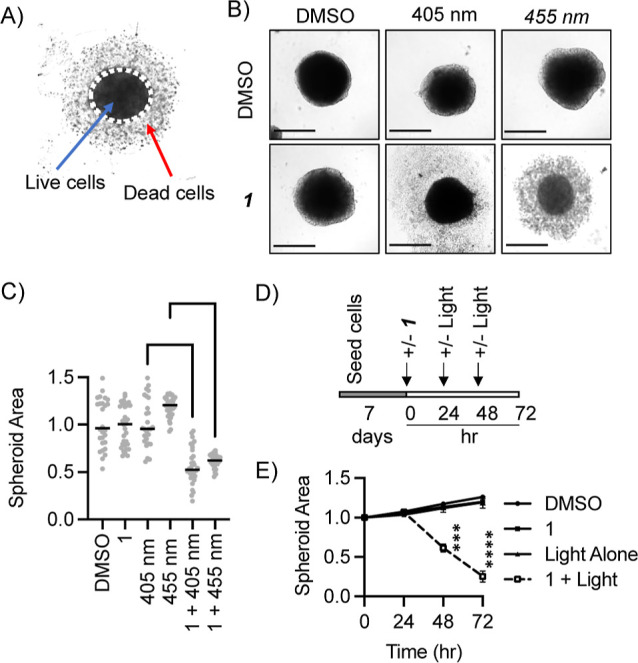
Visible-light phototoxicity of a photostable iridium(III) photosensitiser in cancer cells and three-dimensional models.